
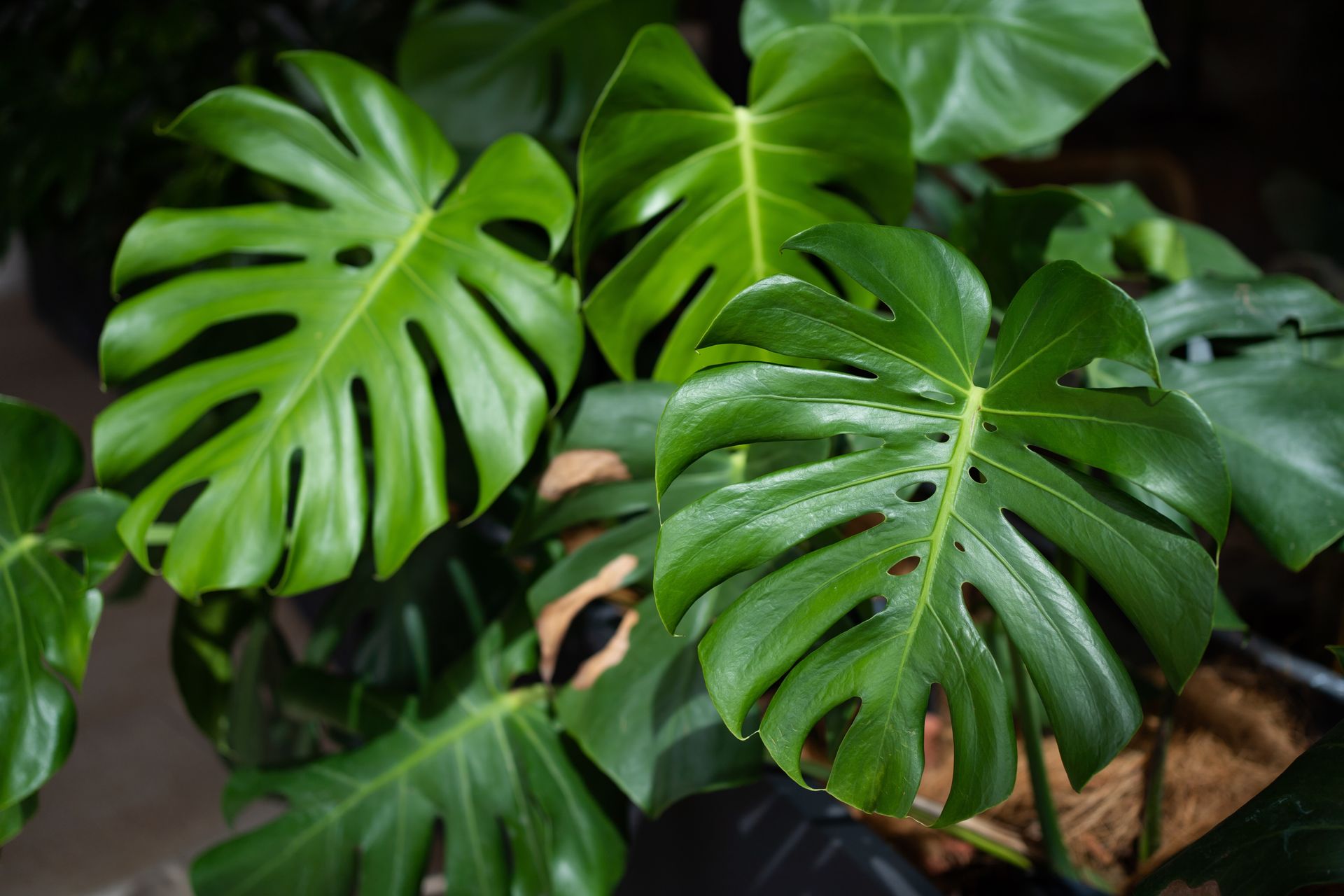
Fill Your Indoor Spaces with Adapted Greenery
House plants in Casper for low humidity and winter temperature fluctuations
Johnny Appleseed grows house plants that are already acclimated to the dry air and temperature shifts you'll encounter indoors in Casper, so you're starting with stock that won't struggle the moment you bring it home. You can choose from tropical plants for bold statement pieces, succulents for low-maintenance options, ferns for soft texture, and leafy vines like pothos and philodendron for trailing or hanging displays. Each category has different light, water, and humidity needs, and selecting the right plant for your space means matching those needs to the conditions you can actually provide.
Tropical plants such as monstera and bird of paradise need bright, indirect light and consistent moisture. Succulents tolerate neglect and dry air but require well-draining soil and pots with drainage holes. Ferns bring softness and texture but demand higher humidity than most other house plants, which makes them harder to keep healthy in heated indoor spaces during winter. Leafy vines grow quickly in moderate light and tolerate occasional missed watering, making them reliable choices for offices or rooms without ideal conditions. Dry indoor air in Casper pulls moisture from leaves faster than in humid climates, so misting, grouping plants together, or using humidity trays can help sensitive varieties.
Stop by for personalized recommendations based on the light, temperature, and humidity levels in the rooms where you plan to place house plants.
House Plants We Offer
- Deffenbachia
- Spider Plants
- Pothos
- Croton
- Dracaena
- Snake
- Ferns – staghorn, maidenhair, Boston, bird nest, foxtail, hare’s foot
- Ivy
- Lipstick Plant
- Peace Lily
- Prayer Plants
- Succulents
- Cactus
- Aloe Vera
- Fiddle Leaf Fig
- Ficus
What Changes After You Set Up House Plants Correctly
When you position a house plant in the right light and water it according to its specific needs, you'll see new growth, firm leaves, and steady color rather than yellowing, wilting, or brown edges. Pothos and philodendron will produce new vines and leaves every few weeks in bright, indirect light. Succulents will hold their shape and color without stretching or softening. Ferns will stay full and green if you maintain humidity and avoid letting the soil dry out completely. Rotating plants every few weeks ensures even growth and prevents lopsided development toward the light source.
Watering schedules vary by plant type. Succulents need infrequent watering, often every two weeks or longer depending on pot size and soil type. Tropical plants and ferns need consistent moisture but not waterlogged soil. Johnny Appleseed can guide you through the specific care needs of each variety so you know how often to water, how much light to provide, and whether to adjust humidity. Containers with drainage are essential. Plants sitting in standing water develop root rot, which shows up as yellowing leaves and a sour smell from the soil.
Low humidity indoors, especially during winter when heating systems run constantly, stresses plants that evolved in humid environments. Ferns and certain tropical varieties benefit from daily misting or placement near humidity trays filled with water and pebbles. Temperature fluctuations near windows, doors, or vents can shock plants and slow growth, so avoid placing sensitive varieties in those spots.
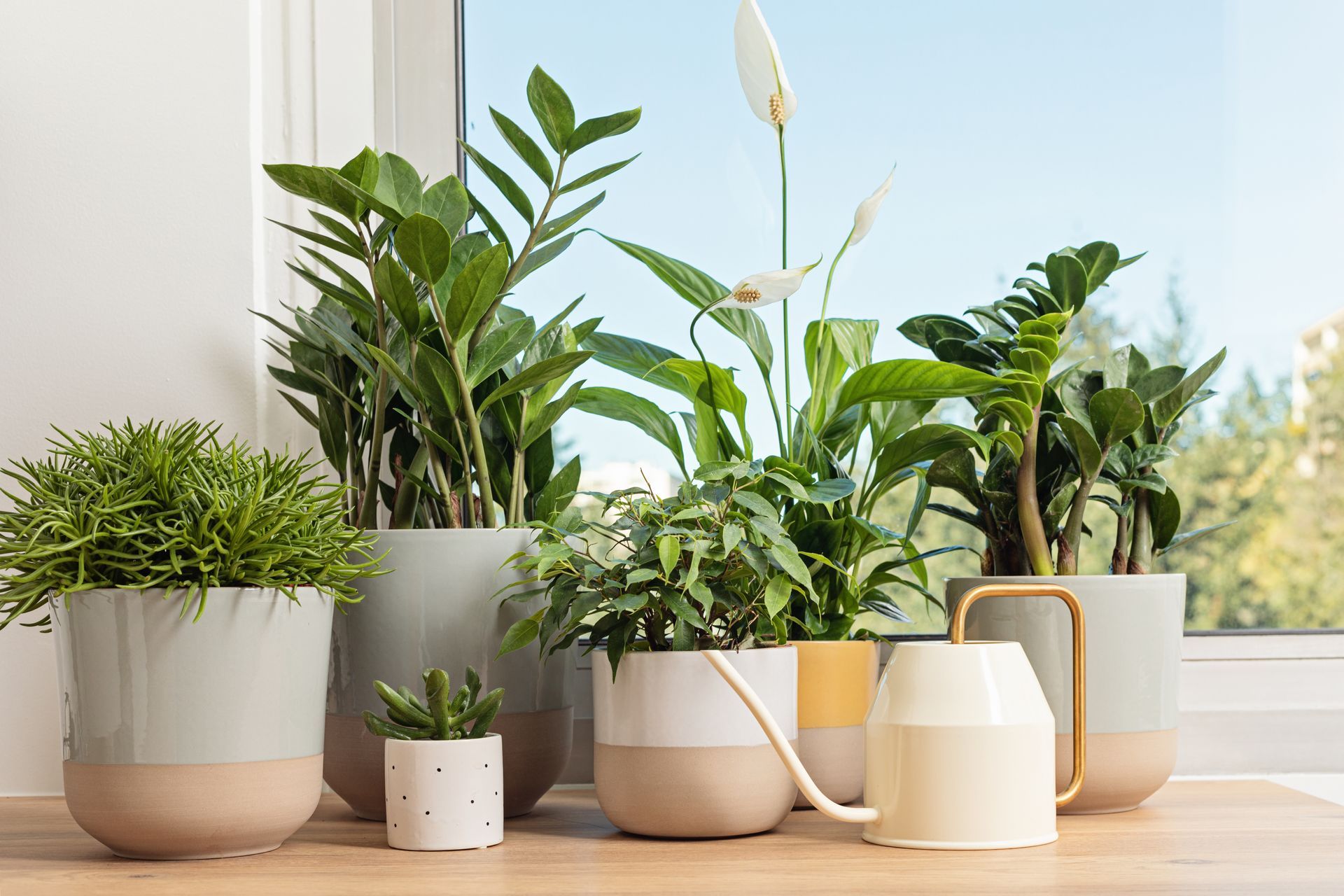
Questions About Growing House Plants in Casper
These are the most common questions that come up when selecting and caring for house plants in dry indoor conditions.
What house plants tolerate low light best?
Pothos, philodendron, and snake plants grow steadily in low light, though growth will be slower than in brighter conditions.
How do I know if I'm overwatering a house plant?
Yellowing leaves, soft stems, and a sour smell from the soil indicate overwatering and possible root rot.
Why are my fern leaves turning brown and crispy?
Brown, crispy leaves usually mean low humidity or inconsistent watering, both common indoors in Casper during heating season.
What's the best container for house plants?
Use pots with drainage holes and saucers to catch excess water, and choose a size that allows for root growth without excessive empty space.
How often should I rotate my house plants?
Rotate plants every two to three weeks to promote even growth and prevent leaning toward the light source.
Plants grown in Wyoming made for Wyoming weather and soils give you a better foundation than stock shipped from humid regions. Visit Johnny Appleseed for expert guidance on selecting house plants suited to your indoor environment and learning the care routines that will keep them healthy through seasonal changes.