
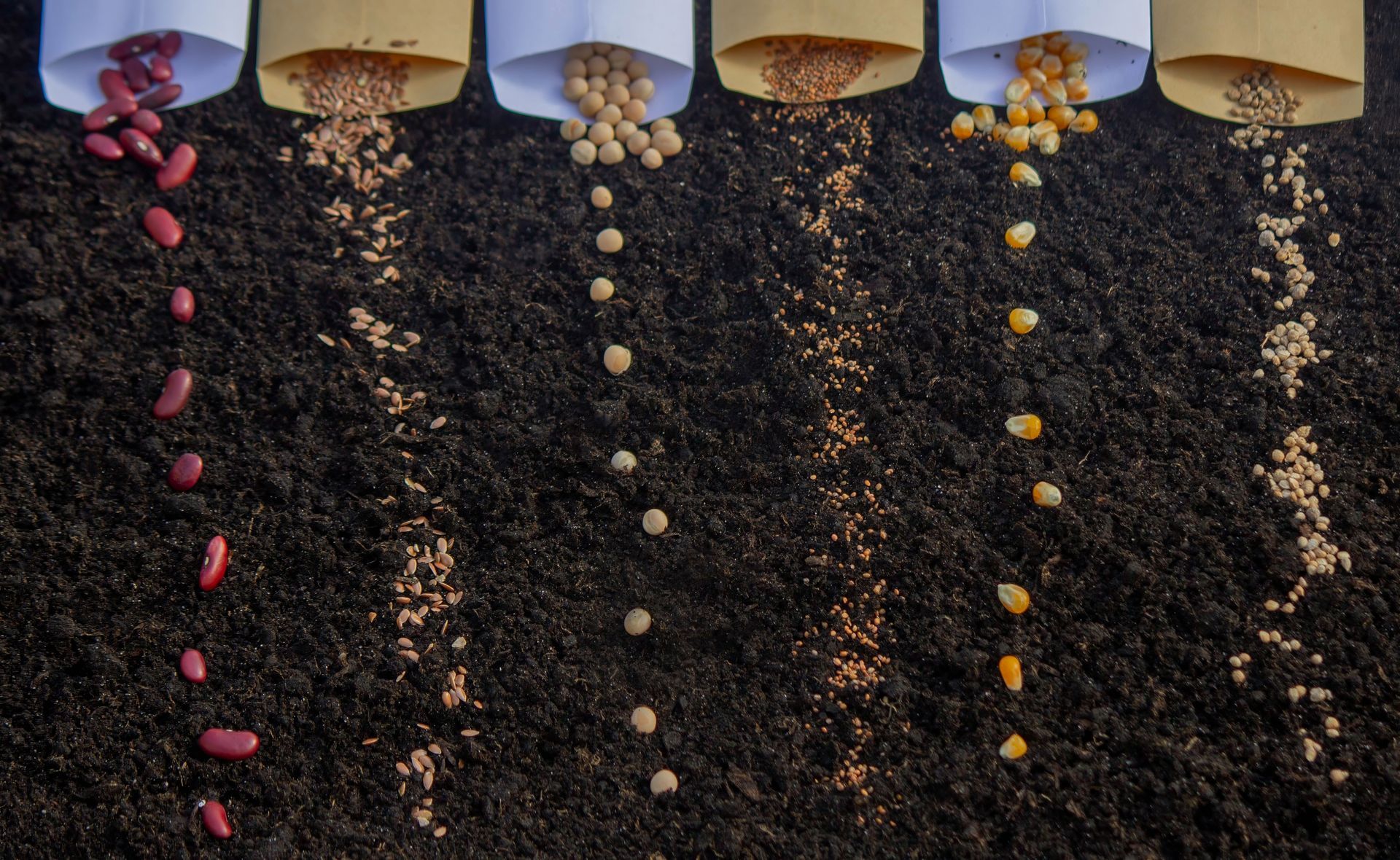
Seeds Selected for Home Garden Success
Seeds in Casper for gardeners starting vegetables and herbs from reliable, high-germination stock
Starting a garden from seed gives you control over plant variety, timing, and growing conditions, but success depends on seed quality and whether the varieties you choose are suited to Wyoming's short frost-free period and temperature swings. Johnny Appleseed carries high-quality vegetable seeds sourced from Botanical Interest, a supplier known for reliable germination rates and strong plant performance across a range of climates. The selection includes both beginner-friendly varieties that tolerate variable conditions and specialty options for experienced growers looking to expand what they produce, with guidance available on planting timing and growing strategies based on Casper's specific conditions.
The full seed inventory includes artichoke, green beans, carrots, squash, beets, broccoli, bok choy, brussels sprouts, cabbage, lettuce, corn, cucumbers, onions, kale, radish, quinoa, okra, spinach, melons, and pumpkin, along with herb seeds that allow you to grow basil, cilantro, parsley, and other kitchen staples from seed rather than purchasing transplants. This variety positions the greenhouse as a complete resource for starting a home garden without needing to source seeds from multiple suppliers or settle for limited options at big-box retailers.
Visit the greenhouse to review seed varieties and discuss planting schedules that align with your last expected frost date.
Why Seed Quality and Selection Matter
Botanical Interest seeds are tested for germination rate before packaging, which means fewer failed seedlings and more predictable results when you plant indoors or direct-sow outdoors. Seed packets include detailed planting instructions, expected days to maturity, and spacing recommendations, which help you plan garden layouts and succession planting schedules that extend harvest periods rather than producing everything at once.
Once seeds germinate and plants mature, you will notice stronger root development, more uniform growth, and better resistance to early-season temperature fluctuations compared to seeds with lower germination rates or poor storage conditions. Variety selection also affects performance, with some cultivars better suited to cool-season planting and others requiring warmer soil temperatures to germinate and establish successfully.
Support is available for questions about indoor seed starting, hardening off seedlings before transplant, and adjusting planting dates based on microclimates within your property. Herb seeds give you the option to grow perennials that return each year or annuals that produce heavily over a single season, depending on your cooking needs and garden space.
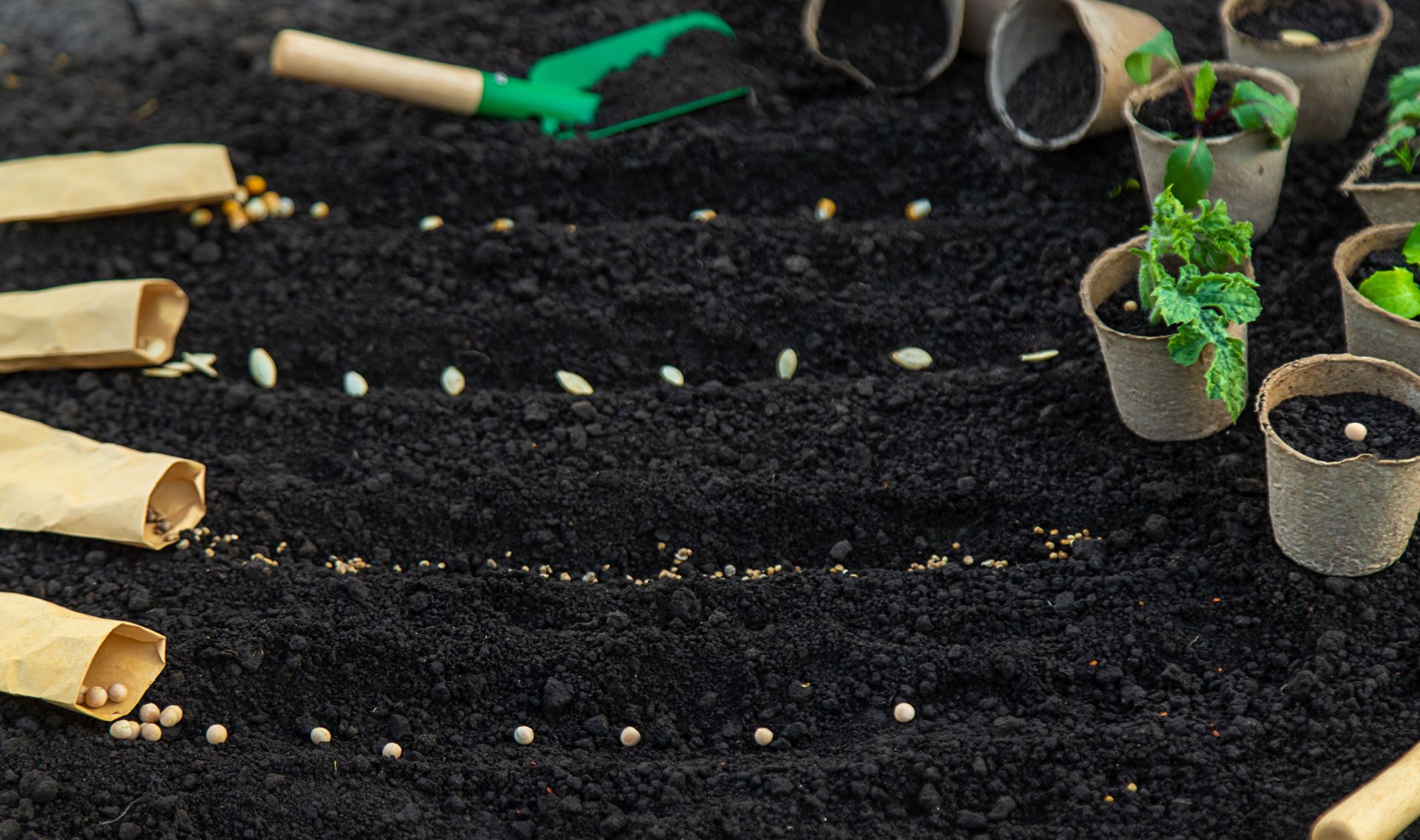
Answers to Frequent Seed and Planting Questions
Gardeners in Casper often ask about planting timing, variety selection, and how to maximize germination success in variable spring weather.
What does germination rate mean on a seed packet?
Germination rate indicates the percentage of seeds expected to sprout under ideal conditions, with higher rates meaning fewer wasted seeds and more predictable plant counts.
How do you determine the right planting date for seeds in Casper?
Planting dates are calculated backward from the average last frost date, which typically falls in late May, with cool-season crops planted earlier and warm-season crops started indoors or direct-sown after soil warms.
What is the difference between cool-season and warm-season vegetables?
Cool-season crops like lettuce, kale, and broccoli tolerate light frosts and grow best in spring and fall, while warm-season crops like tomatoes, peppers, and squash require warm soil and are damaged by freezing temperatures.
Why choose Botanical Interest seeds over other brands?
Botanical Interest tests seeds for germination, provides detailed growing instructions, and offers a wide variety of heirloom and hybrid options suited to different climates and gardening goals.
Can herb seeds be started at the same time as vegetables?
Some herbs like cilantro and parsley tolerate cool soil and can be planted early, while basil and other tender herbs need warmer conditions and should be started indoors or planted after the last frost.
Johnny Appleseed provides the seed variety and growing guidance you need to start a successful garden. Stop by to select seeds suited to your space, experience level, and what you want to grow this season.